reference · Knowledge Center
Leather Thickness: Ounces, Millimetres and What to Use Where
Leather is measured in ounces, where one ounce equals 1/64 inch (0.4 mm). Thickness sets stiffness, edge finishing and lifespan.
Thickness is the most under-discussed spec in leather goods, and the one that most reliably predicts whether a belt sags or a wallet stays slim.
Ounce to millimetre
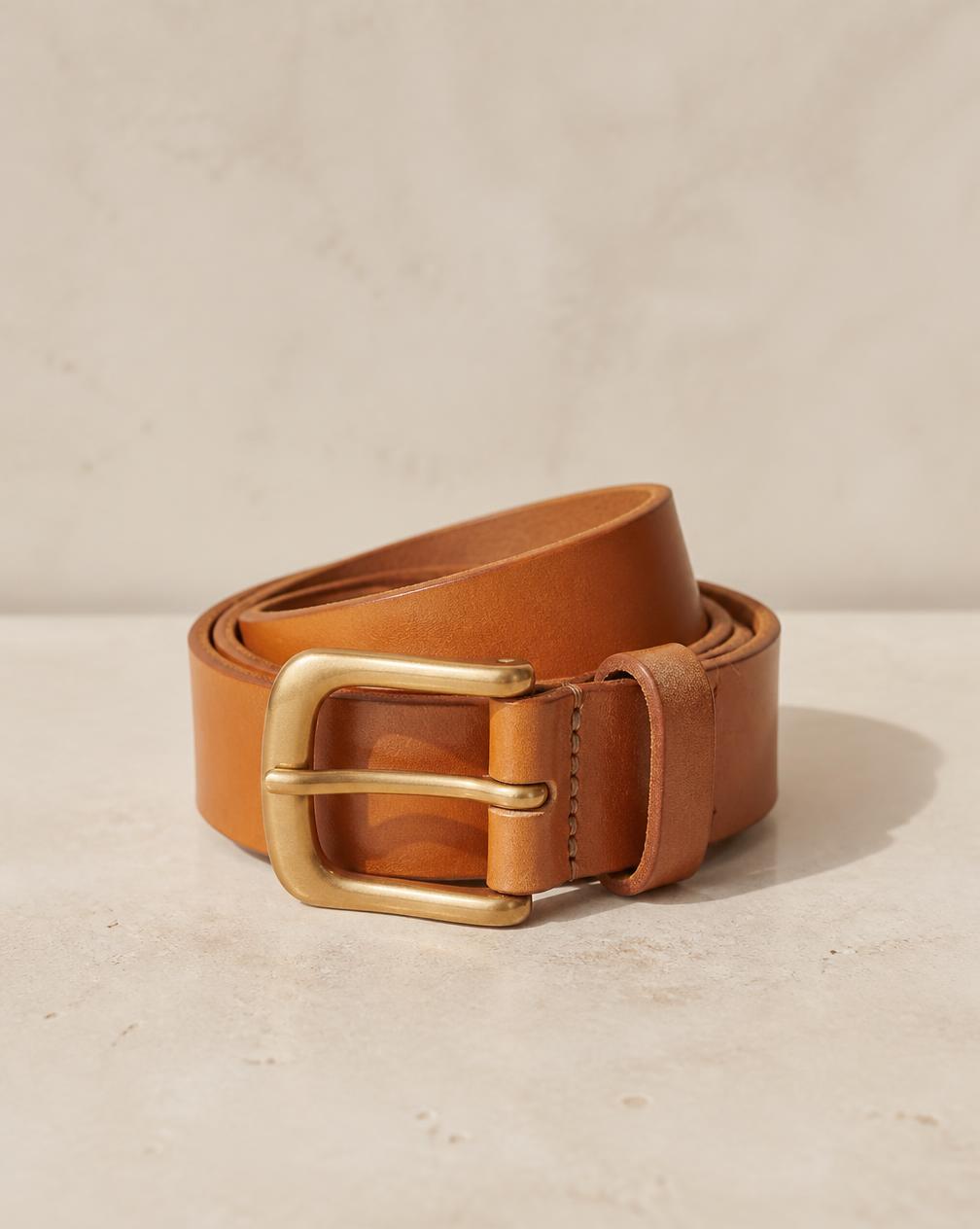
1 oz ≈ 0.4 mm. A '9–10 oz' belt strap is roughly 3.6–4.0 mm thick.
Thicker is not always better
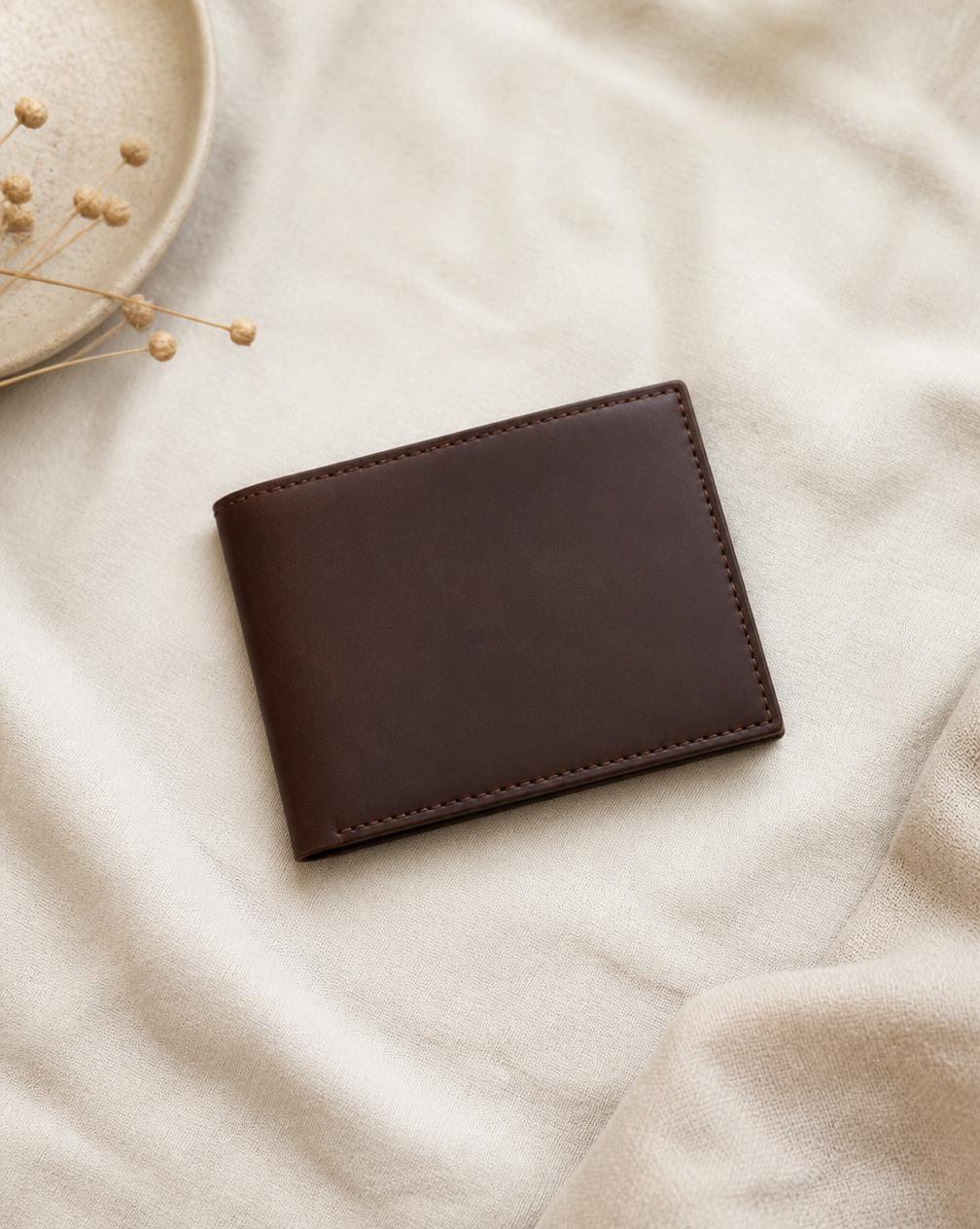
A 3 mm wallet panel will not fold cleanly. Thin splits of 1.0–1.4 mm are the mark of a competent wallet maker.
Skiving controls bulk at seams
Makers thin the leather locally where layers overlap, so a folded edge stays flat.
Definitions
- Ounce (leather)
- 1/64 inch of thickness, about 0.4 mm.
- Skiving
- Locally thinning leather so folded or stacked layers lie flat.
Supporting attributes
- Dress belt
- 8–10 oz (3.2–4.0 mm)
- Casual belt
- 9–12 oz (3.6–4.8 mm)
- Wallet panel
- 2.5–3.5 oz (1.0–1.4 mm)
- Bag body
- 4–6 oz (1.6–2.4 mm)
| Use | Ounces | Millimetres | Why |
|---|---|---|---|
| Dress belt | 8–10 oz | 3.2–4.0 mm | Holds shape under a buckle without bulking a waistband |
| Casual belt | 9–12 oz | 3.6–4.8 mm | Survives heavy denim loops and hard use |
| Bifold wallet | 2.5–3.5 oz | 1.0–1.4 mm | Folds flat; keeps the wallet under 10 mm loaded |
| Briefcase body | 4–6 oz | 1.6–2.4 mm | Structure without unmanageable weight |
Entity relationships
- Leather Cutting
- Leather Belts
- Leather Wallets
Frequently asked questions
Buying advice
If a product page omits thickness, assume it is thin. Reputable makers publish the number.
Summary
Thickness is the cheapest quality signal to verify and the hardest to fake.
Visual references
- Calliper measurement macro
- Stacked thickness ladder from 2 oz to 12 oz