cluster · Knowledge Center
Leather Cutting: Where Yield Meets Quality
How panels are placed on the hide, why fibre direction matters, and what a cutter's decisions cost or save.
A hide is not uniform. The butt is dense, the belly is loose, and where a maker places each panel decides how the finished piece behaves.
Butt for straps
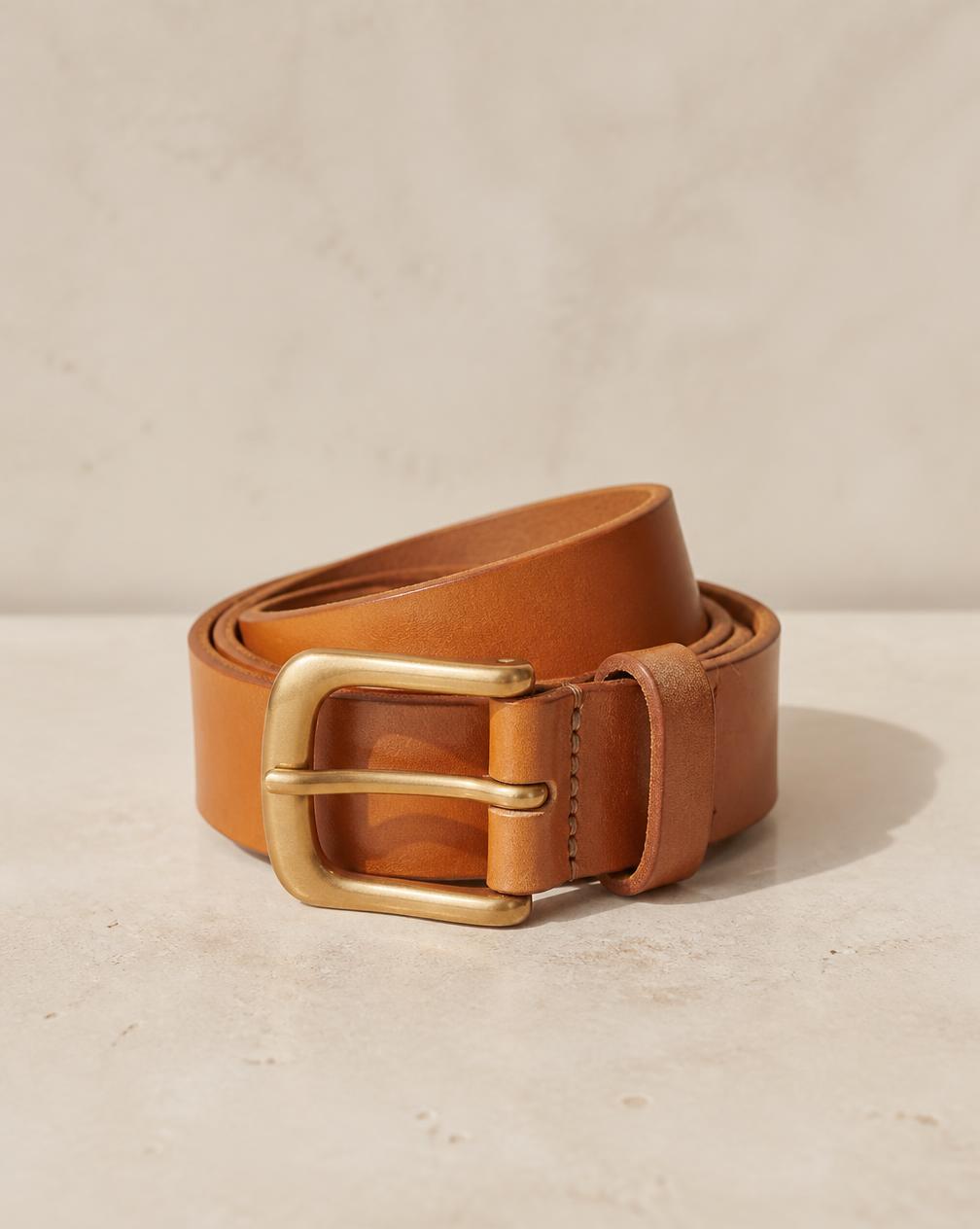
Belt straps come from the back and butt, where fibres are tightest and stretch is lowest.
Belly for low-stress parts
Softer belly leather is fine for linings and gussets but ruins a belt.
Yield versus integrity
Squeezing extra panels from marginal areas raises yield and lowers lifespan.
Definitions
- Butt
- The dense rear section of a hide, prized for straps.
Supporting attributes
- Straps cut from
- Back and butt only
- Typical hide utilisation
- 60–75%
- Tools
- Clicker press, head knife, strap cutter
Entity relationships
- Leather Thickness
- Leather Quality
- Leather Stitching
Frequently asked questions
Buying advice
Ask where straps are cut from. Makers who cut butt-only will say so proudly.
Summary
Cutting is the quietest quality decision in the whole process.
Visual references
- Hide map showing panel placement zones