supporting · Knowledge Center
Burnishing: Friction, Wax and a Glass Edge
Burnishing melts leather fibres together with heat and wax to create a sealed edge that resists water and fraying.
Only vegetable-tanned leather burnishes properly — chrome-tanned edges must be painted instead.
Sand, wet, slick
Progressive sanding, water or gum tragacanth, then rapid friction with canvas or a wooden slicker.
Wax seals it
Beeswax applied hot fills the fibre and produces the characteristic dark gloss.
It is repairable
A worn burnished edge can be re-slicked at home; painted edges usually cannot.
Definitions
- Slicker
- Grooved wooden or bone tool used to polish leather edges.
Supporting attributes
- Requires
- Vegetable-tanned leather
- Agents
- Water, gum tragacanth, beeswax
- Home repairable
- Yes
Entity relationships
- Edge Finishing
- Vegetable Tanned Leather
Frequently asked questions
Buying advice
Burnished edges are a reliable indicator of vegetable-tanned construction throughout the piece.
Summary
A glass edge is thirty minutes of friction you can feel for a decade.
Visual references
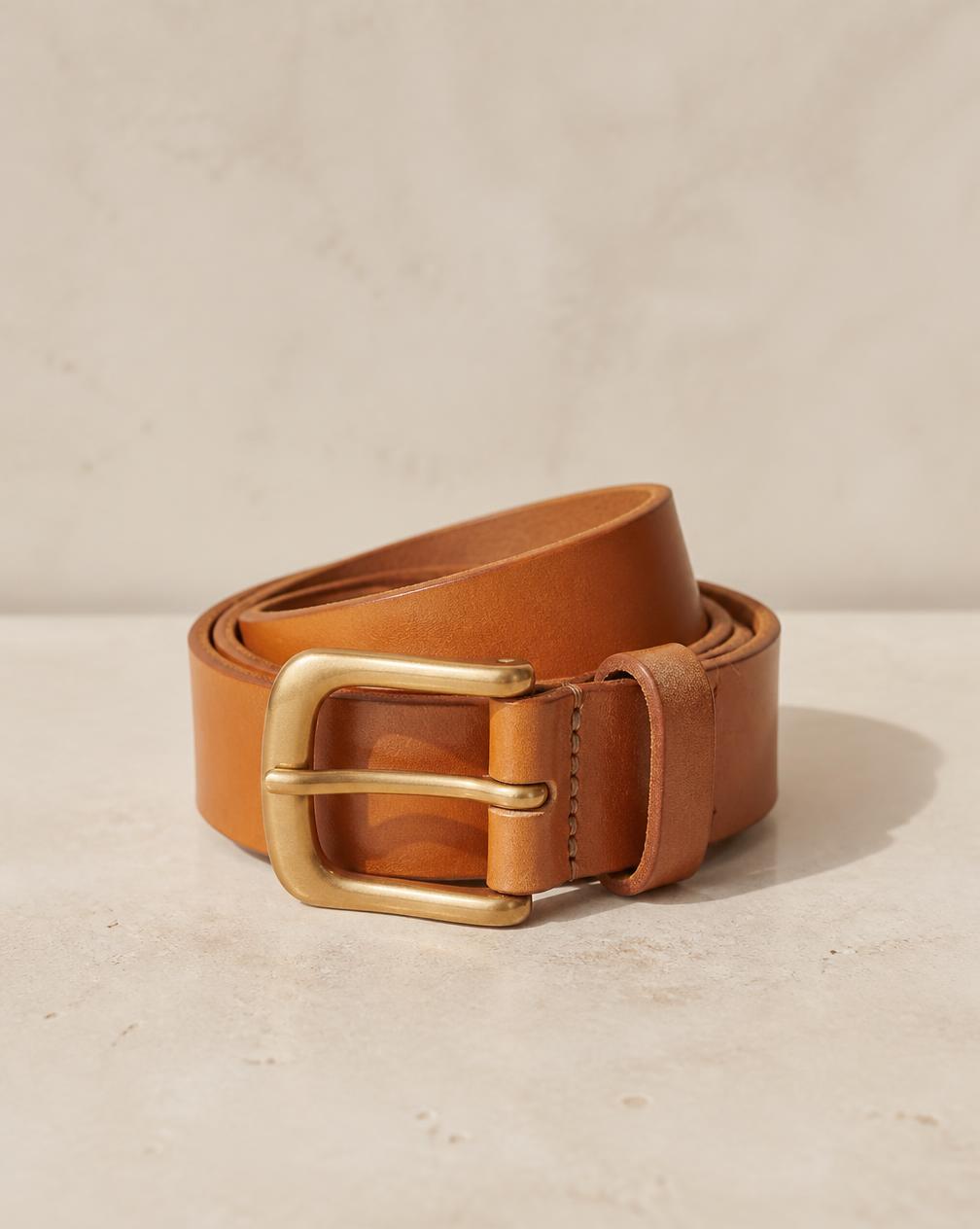
- Slicker friction close-up with wax gloss forming