cluster · Knowledge Center
Vegetable Tanned Leather: Slow Tannage, Real Patina
Vegetable tanning uses bark and plant tannins over weeks to produce firm, tooling-friendly leather that darkens beautifully with use.
Vegetable tanning is the oldest surviving tannage. Hides move through pits or drums of increasingly concentrated plant tannin — chestnut, quebracho, mimosa — until the collagen is fully stabilised.
Time is the ingredient
Four to eight weeks in tannin versus a day in chrome. That duration is why veg-tanned leather costs more and behaves differently.
Firm temper suits structure
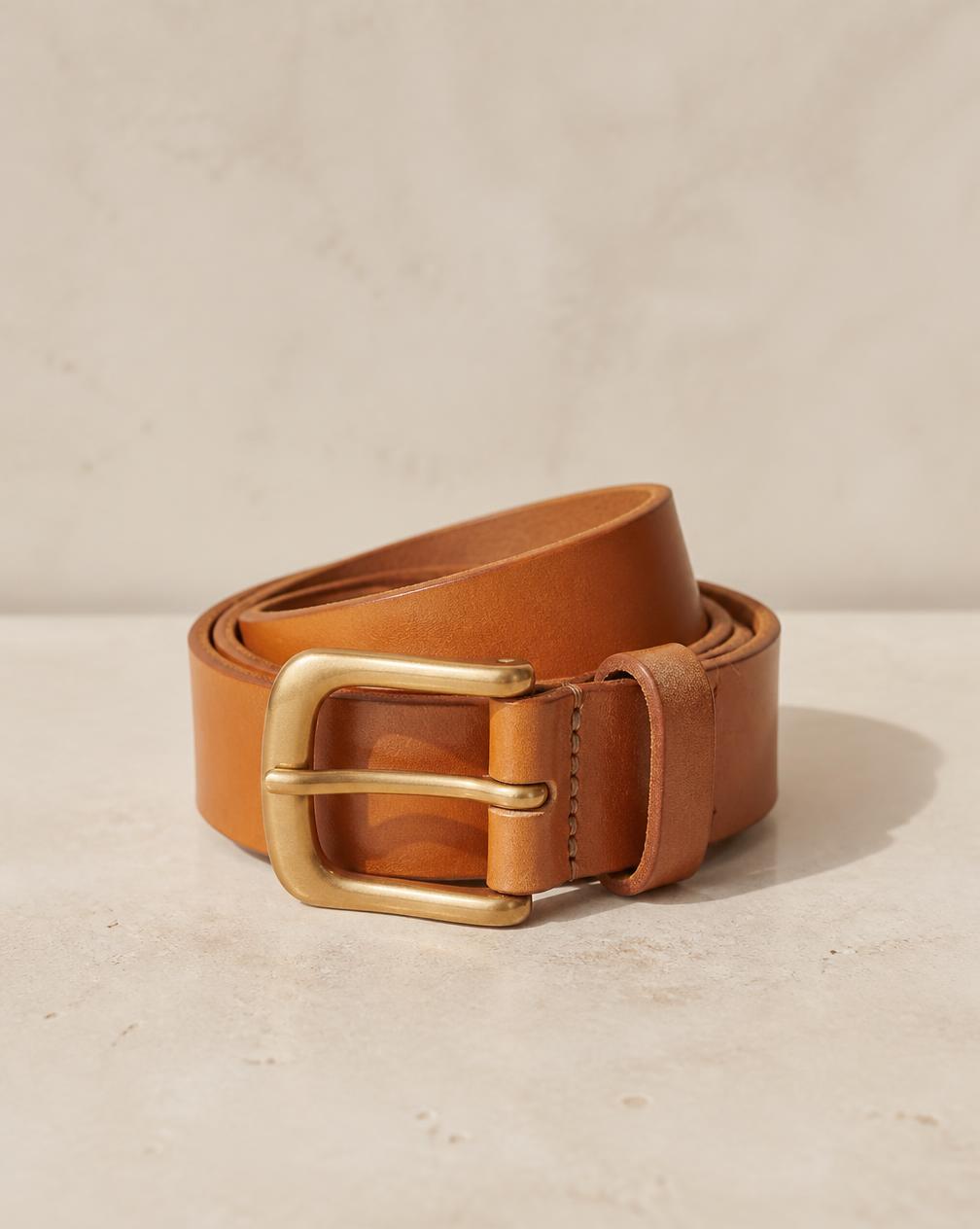
It holds a shape, takes a burnished edge and tools cleanly, which makes it the default for belts, holsters and structured cases.
It is the patina leather
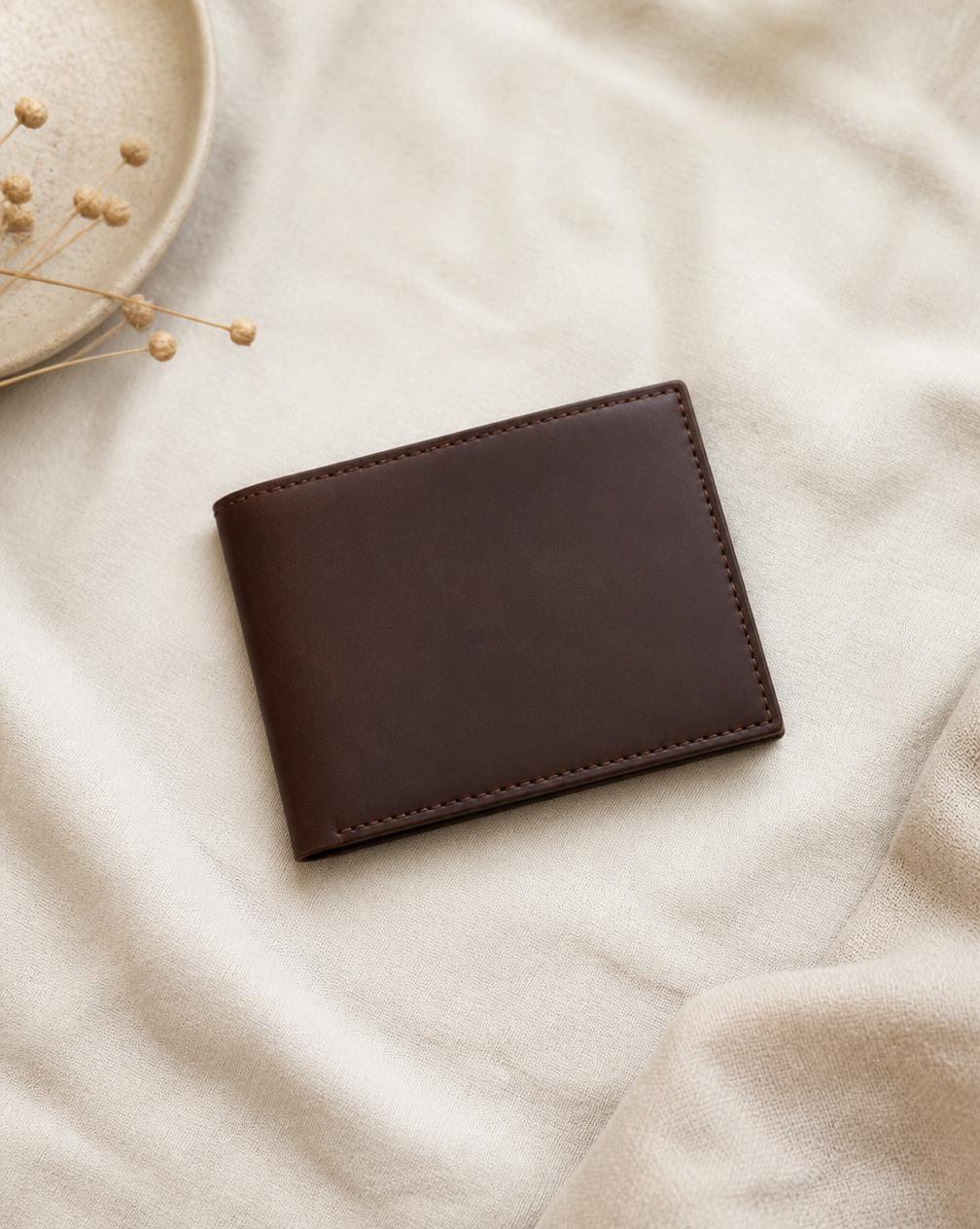
Tannins oxidise under UV and absorb hand oils, so a pale natural veg-tan wallet becomes deep honey within a year.
Definitions
- Vegetable tanning
- Stabilising hide with plant-derived tannins over weeks.
- Tannin
- Plant polyphenol that bonds with collagen to prevent decay.
Supporting attributes
- Process time
- 4–8 weeks
- Temper
- Firm
- Water sensitivity
- High when unfinished — spots easily
- Best uses
- Belts, wallets, structured cases, tooling
Entity relationships
- Patina
- Full Grain Leather
- Leather Tanning
- Burnishing
Frequently asked questions
Buying advice
If patina matters to you, insist on vegetable-tanned full grain and accept that it starts pale and stiff. The first three months are the price of admission.
Summary
Vegetable tanning is the reason a ten-year-old belt looks better than a new one.
Visual references
- Tanning pit sequence
- Twelve-month patina timeline on natural veg-tan